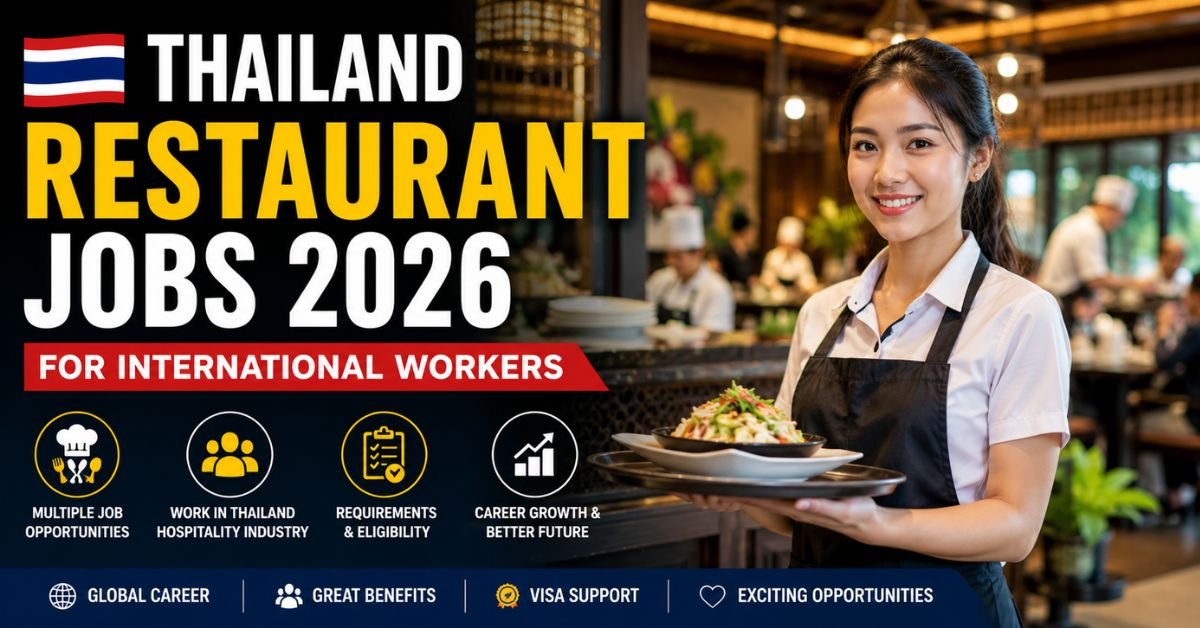
Thailand Restaurant Jobs for International Workers 2026 Guide
Nowhere else quite matches Thailand when it comes to kitchen roles drawing foreigners eager for hands-on dining service abroad. A steady flow of travelers keeps eateries buzzing coast to coast, fueling demand behind the scenes. Chefs, servers, dishwashers – each spot shaped by flavors guests come miles to taste. From Bangkok street stalls to beachfront grills in Phuket, pay isn’t always high yet learning runs deep. Season after season, newcomers swap recipes, slang, routines under tropical heat. This scene thrives not just on postcards but real hunger for connection through meals made fresh.
Overseas workers might find Thai restaurants a hands-on way to learn customer care, cooking, kitchen workflow, and managing guest services. Yet living overseas means getting ready ahead of time – knowing work laws helps, paperwork needs sorting out, applications should go only through trusted channels.
Thailand Restaurant Work for Foreigners
Out there among Asian nations, Thailand stands out with a bustling scene around places that welcome guests. From city centers to spots travelers love, eateries, drinking holes, stays, retreats, along with meal providers keep running nonstop. These spots open doors to many kinds of jobs you might not expect.
From cooks to servers, restaurant work keeps meals moving through the day. Without these roles, places that serve food would struggle to operate smoothly. Some handle orders behind the counter. Others manage schedules or help guests feel welcome. A few focus on specific skills like wine pairings or event planning. Each position connects to how well a place runs overall.
Thailand’s food scene opens doors, but landing a role often ties back to what you’ve done before. Not every kitchen needs outside hires – some want cooks who know global dishes inside out. That might matter just as much as time spent behind a stove. A few restaurants search for those who have led teams or handled front-of-house duties abroad. What matters most changes with each employer’s needs.
Working in restaurants might shape a solid future by building how you talk to people, cooperate, handle tough moments, plus care for guests. Such strengths matter almost everywhere, helping careers climb across the worldwide service world.
Starting strong means knowing who you’re dealing with – foreign job seekers must dig into company backgrounds first. Legal rules around employment? Those need clarity before anything else happens. Getting your documents ready comes next, done right, kept sharp.
Restaurant Jobs in Thailand Key Details
Starting out in a kitchen might lead somewhere bigger for those who stick with it. Not everyone begins at the top – many grow into leadership by working shifts and learning on site.
Important highlights include:
- Restaurants open doors. Cafes offer paths forward. Hotels present chances to grow. Resorts bring options into view
- Experience in an international hospitality environment
- Different roles in kitchens and customer service
- Career development possibilities
- Exposure to Thailand’s tourism and food industry
- Learning professional hospitality standards
Workers matter most when they show up ready to grow, act with care, then follow through without being watched. A kitchen runs smoother if people take pride in timing, stay calm under pressure, while speaking with respect. Growth happens quietly – through showing up early, listening closely, then adjusting fast. Trust builds not by talking big but by doing small things right every shift.
Job rules change depending on who’s hiring. Not every workplace offers the same pay or extras. Some might help with housing, others won’t. Hours can shift from one role to another. Visa backing comes down to company choice. Each contract stands apart in what it includes.
Watch out for promises that sound too good to be true. Always check details using websites or offices you know are reliable instead.
Thailand’s Restaurant Industry Offers Jobs
Food spots thrive where traditions draw crowds. People come for festivals, stay for meals found nowhere else. These places feed locals just as much as travelers passing through. Culture fills streets. Taste keeps them coming back.
More people traveling, trying global food, means restaurants look for workers who know what they’re doing. A wider world on plates changes hiring needs behind the scenes.
Tourism and Hospitality Growth
From seaside towns to mountain villages, eateries and places to stay fill up fast when visitors arrive. Where crowds go, skilled staff are needed – people ready to welcome guests with confidence and care.
Working abroad might come naturally to those who speak more than one language or have served guests before. Some pick up phrases fast, others already know how guest requests work. People familiar with different cultures often adjust quickly when tasks shift midday. Knowing a second tongue helps during morning briefings. Past shifts at hotels sometimes matter more than expected. Team members with travel history tend to stay calm when plans change suddenly.
International Restaurants
Across Thailand, city spots serve up dishes from faraway places – think Italian pasta alongside spicy kimchi feasts. Some kitchens whip up sushi rolls while others grill kebabs with smoky flair. You might find ramen simmering in one corner of town, tacos sizzling in another. Global flavors scatter through urban centers without warning. Meals from distant lands appear quietly on local menus. From curry puffs to döner breads, tastes shift block by block.
Beyond the kitchen, those who know specific cooking methods might find openings across various dining setups. A background in distinct food service styles can lead somewhere new.
Hotel and Resort Restaurants
Large hotels and resorts often operate multiple food service areas including:
- Fine dining restaurants
- Breakfast services
- Cafes
- Event catering
- Room service departments
Working here means needing people who bring separate talents together. Teamwork shapes how tasks get done across roles.
Common Restaurant Roles in Thailand for Foreign Workers
Working in restaurants means doing one of countless jobs. Not every position asks for the same skills or duties.
Restaurant server waiter
From behind menus they guide guests through choices, shaping how meals feel. Moments matter when faces meet across tables – small gestures stick.
Common duties include:
- Welcoming guests
- Taking food orders
- Explaining menu items
- Serving meals and drinks
- Supporting customer requests
- Maintaining clean dining areas
Working well with others matters a lot here. How you carry yourself on the job makes a difference too.
Kitchen Assistant
Some kitchen helpers support cooks by handling routine prep work each day. Others assist the team with chopping, measuring, cleaning – small jobs that keep things moving. A few jump in before service to stock containers, sort ingredients, ready tools. Many follow a set list but adjust when asked. Each one fits into the flow behind the scenes.
Responsibilities may include:
- Preparing ingredients
- Cleaning kitchen areas
- Organizing supplies
- Supporting chefs
- Following hygiene standards
This position offers a chance to learn the ropes in real kitchen settings.
Professional Chef
Some cooks who know their way around a kitchen might land jobs where particular techniques matter most.
Chef duties include:
- Creating dishes
- Managing food quality
- Training kitchen staff
- Planning menus
- Maintaining safety standards
Cooks often need years spent in kitchens alongside training that sticks to classic methods.
Restaurant Cashier
Folks behind the counter handle money while helping shoppers too. Payment tasks go hand in hand with answering questions at checkout stands.
Daily tasks include:
- Processing transactions
- Handling bills
- Using restaurant systems
- Assisting customers
- Maintaining accurate records
Cashiers who notice small things tend to do better work. Mistakes happen less when focus stays sharp on each task. Watching closely helps catch errors before they grow. Precision matters most during busy moments at checkout stands.
Restaurant Supervisor
From opening shifts to handling staff questions, supervisors keep things moving behind the scenes. When problems pop up during service, they step in without waiting.
Responsibilities include:
- Organizing staff schedules
- Monitoring service quality
- Solving customer concerns
- Training team members
- Supporting managers
Most times, having led teams makes a difference when going after these roles.
Daily Tasks in Restaurant Work
From dishwashers to servers, each person helps keep meals running smooth. Though tasks differ by role, cooperation stays key across the board.
Common duties include:
Customer Service
From time to time, staff at eateries speak with visitors while making sure things feel welcoming. Sometimes they answer questions – other times just smile, which also helps. A nod here, a small gesture there adds up without needing words. Moments like these shape how people feel during their meal out. Even quiet actions can make space more pleasant than expected.
Good customer service includes:
- Friendly communication
- Understanding customer needs
- Professional attitude
- Problem-solving skills
Food Preparation Support
Besides following recipes, kitchen crews stick to set rules when making dishes. Though timing matters most, they balance flavors just right each time around. Instead of rushing, they move in sync, handling tasks without extra talk.
Workers must follow:
- Food safety rules
- Hygiene procedures
- Quality requirements
- Cleaning and Organization
- Cleanliness is very important in food service.
Employees may help maintain:
- Dining areas
- Kitchen spaces
- Equipment
- Storage areas
- Team Cooperation
From kitchen to front of house, success shows when cooks, waiters, bosses, and helpers work as one. Each role connects – without any single piece working alone.
Working well with others helps get things done without wasted time.
Thailand restaurant jobs international workers requirements
Not every eatery in Thailand wants the same thing from staff. What matters most shifts based on who’s hiring, what kind of place it is, how high up the role goes, and exactly what tasks come with it. Starting roles often care less about papers and more about showing up ready to help guests, work with others, stay steady. Higher-up spots like head cook, team lead, or person running the whole spot? Those tend to need proof you’ve done real work before, plus deeper skills under your belt.
Looking at every job post matters when applying from abroad – small eateries often want different things than big hotel brands. Chains might ask for one set of skills, while high-end resorts expect another. Each place sets its own rules, so reading closely makes a difference.
Educational Requirements
Most jobs behind the scenes at restaurants skip the need for degrees. Take a kitchen assistant role, for instance – hands-on skills often matter way more than school credits. Hiring folks might look first at how someone handles tasks, plus whether they show up ready to work. Roles like helping serve meals or pitching in around the space value effort just as much as experience.
Still, certain jobs might look for people who studied or trained in:
- Hospitality management
- Culinary arts
- Food service operations
- Restaurant management
- Customer service fields
A boost in credentials might set one apart when aiming for seasoned roles in hotel work. Not every path needs extra paper, yet it often helps where know-how matters most.
Restaurant Job Experience Needs
Working at a restaurant before might help foreign job seekers in Thailand. Since bosses usually like people familiar with how dining places run, knowing the routines makes a difference. One thing leads to another when you’ve seen how things work behind the scenes. Getting used to busy shifts and clear rules matters just as much as skills on paper.
Useful experience includes:
- Restaurant customer service
- Hotel food and beverage work
- Kitchen operations
- Cooking experience
- Cash handling
- Team supervision
- Hospitality industry experience
Jobs like head cook or supervisor often demand more experience, since the duties carry greater weight. Responsibility tends to shape what bosses look for when filling roles that run kitchens or teams.
Starting out? Pick up simple hospitality tricks, safe kitchen habits – these help when serving people meals. Getting good at listening matters just as much as knowing how things run behind the counter.
Skills Required for Working in Thai Restaurants
Working in a restaurant means using hands-on abilities along with personality traits. People who do well tend to serve customers effectively, stay in step with coworkers, while dealing with daily pressures calmly.
Communication Skills
Every day, those who work in restaurants talk with guests, supervisors, people on their team. The ability to share thoughts clearly matters a lot when serving others.
Strong communication helps with:
- Understanding customer requests
- Avoiding order mistakes
- Improving teamwork
- Creating positive guest experiences
Starting with a few Thai words could help foreign employees handle everyday tasks more smoothly. When people from abroad understand simple terms, getting around town feels less complicated. Knowing greetings or directions might make shopping or commuting easier. For anyone new here, small talk in Thai often opens doors without hassle. A handful of key expressions tends to smooth interactions at markets or transit stops.
Customer Service Skills
Most eateries live or die by how happy their guests feel. Workers showing warmth while staying sharp on the job tend to stick around longer.
Good customer service includes:
- Respectful behavior
- Patience
- Problem-solving ability
- Positive attitude
- Understanding customer needs
Most times, a meal feels special when servers pay attention to what guests need. What matters most shows up in small moments – eye contact, timing, the way someone listens. Service shapes everything, even before the first bite arrives. How people respond can turn an ordinary dinner into something worth remembering. Little things stick around longer than the food itself.
Food Safety Knowledge
Keeping food safe matters most in every eatery. From the start, staff must know how to stay clean and follow simple rules. One slip can change everything. Always washing hands makes a difference when handling meals. Mistakes happen if routines get ignored. Clear habits protect everyone, really. A tidy space works better without question. Learning step by step builds strong practice over time.
Important areas include:
- Proper food handling
- Kitchen cleanliness
- Safe storage methods
- Personal hygiene
- Equipment safety
Following safety procedures protects both employees and customers.
Teamwork Ability
Teamwork keeps restaurants running. From cooks to those wiping down tables, each role connects behind the scenes. Servers move orders while kitchen crews prepare meals without pause. Managers watch timing so nothing falls behind. Cleaners step in between rushes, resetting spaces quietly. When one part shifts, others adjust without words.
Team players tend to climb higher simply by showing up when it counts. A steady hand creates room to move ahead without fanfare or shortcuts. Those trusted in daily work find doors opening just a bit wider over time.
Thailand Work Visa and Job Rules
Before working in Thailand, foreign employees need proper paperwork. Getting approved by authorities comes first. Only after permission should someone begin a job there.
Working abroad? A few companies help certain staff handle paperwork. It really comes down to the business involved. Position matters too. Rules set by authorities play a part as well.
A general process may include:
Find an employer that fits your needs
Start by looking into companies known to accept overseas applicants. One way begins with finding firms open to foreign hires.
Applicants can explore:
- Official company websites
- Trusted job platforms
- Hospitality recruitment sources
- Professional networks
Before handing over any private papers, make sure you know who’s asking. A quick check could save trouble later – trust needs proof first.
Get a job offer
A restaurant employer may review:
- Work experience
- Skills
- Interview performance
- Qualifications
- Job suitability
Before seeking work permission, most people already have a job lined up. Getting hired first tends to come prior to filing paperwork. Often, having someone willing to employ you kicks things off. A position waiting makes starting easier later on. Usually it begins with an employer saying yes. The chance to work often shows up ahead of official approval.
Prepare required documents
Depending on what’s happening, papers can differ. Still, those applying might require:
- Valid passport
- Updated resume
- Education records
- Experience letters
- Professional certificates
- Employment documents
Check first – what’s current might have changed yesterday. Official spots hold the real story now.
Applying for restaurant jobs in Thailand
A strong application might catch an employer’s eye more easily.
Create a hospitality resume
Your resume should highlight your restaurant and customer service experience.
Include:
- Previous job roles
- Hospitality skills
- Languages
- Training
- Achievements
- Certifications
Keep information accurate and easy to understand.
Find Jobs That Match Your Skills
Use specific keywords when searching online:
- Restaurant jobs Thailand
- Hospitality jobs Thailand
- Chef jobs Thailand
- Food service jobs Thailand
- Hotel restaurant careers Thailand
Take time to go through every detail of the role first. Only then move forward with your application.
Get ready for interviews
Restaurant interviews usually focus on:
- Previous experience
- Customer service ability
- Work availability
- Teamwork skills
- Problem-solving examples
Professional communication creates a positive impression.
Review the Job Offer
Before accepting any job, check:
- Job duties
- Working schedule
- Salary information
- Benefits
- Contract details
Visa or document support information
Clear terms matter when someone hires you. What counts is knowing what to expect day after day. Fair treatment shows up in details that aren’t hidden. Straightforward rules make work feel steady. Knowing your role helps everything move without surprise.
Working in Restaurants Across Thailand
Working in a restaurant might open doors for foreigners drawn to the food service field. Paths unfold differently here than expected. Some find their footing faster in kitchens abroad. Others grow through guest interactions across borders. Each role adds experience that travels well. Chances multiply when skills align with demand overseas.
International Hospitality Experience
From Thailand, work opens views on how people see service differently. New ways of meeting customers come through daily tasks there. Ways professionals act shift when working among varied traditions.
Working abroad might open doors later in hotel jobs. Sometimes living overseas helps when aiming for roles in guest services down the line.
Career Growth Opportunities
Restaurant workers can develop into higher positions such as:
- Senior server
- Head chef
- Restaurant supervisor
- Food and beverage manager
- Hospitality manager
Skills shape progress when matched with effort, yet chances to advance rely heavily on access. Performance often rises where learning is steady rather than sudden. Training sticks best when it follows real work, not just theory. Opportunities open doors that practice alone cannot knock down.
Learning New Skills
Restaurant jobs help workers develop:
- Communication ability
- Leadership skills
- Problem-solving
- Time management
- Cultural understanding
These skills are useful across many industries.
Common Mistakes International Applicants Make
Mistakes slow things down – skip them, get better results.
Applying Without Reviewing Eligibility
Rules change depending on where you are or who hires. Look into details first, just in case.
Unprofessional Resume Usage
A shaky resume might mean fewer chances to sit across from a hiring manager. See that your background stands out without confusion. Skills need space to breathe on the page.
Trusting Unrealistic Offers
Avoid job offers that claim:
- Guaranteed approval
- No verification required
- Instant employment without documents
A well-run hiring process sticks to clear steps. Procedures matter when bringing new people on board.
Ignoring Contract Details
Before you say yes to a job, know what the deal really means. A clear picture today avoids surprises tomorrow.
Job Advice for People Looking to Work in Restaurants
International applicants can improve their profile by:
- Learning hospitality basics
- Improving English communication
- Learning simple Thai phrases
- Getting food safety knowledge
- Building customer service experience
- Keeping documents ready
- Getting in using trusted sites
Staying upbeat while doing the work right matters when working in hospitality. What counts is how you act, just as much as what you do.
Also Read: Hotel Jobs In Luxembourg with Work Permit 2026 – Complete Guide
FAQs
-
Can international workers apply for restaurant jobs in Thailand?
Workers from abroad can seek restaurant roles when qualifications match what employers need. Meeting standards matters most for those coming in from other countries. Following correct hiring steps opens doors legally. Job access depends on rules being followed exactly as written.
-
Are restaurant jobs in Thailand available with visa support?
Not every workplace offers help to overseas staff – what’s available often ties back to firm size, role demands, or legal rules. A few companies step in when conditions line up just right.
-
Do restaurant workers need previous experience?
Getting started is possible in certain basic positions, yet stepping into a kitchen lead or overseeing staff typically means having done it before.
-
What skills are useful for restaurant jobs?
Out of everything, knowing how to serve customers well matters most. Working smoothly with others shows up when things get busy. Clear talking makes tasks flow without hiccups. Staying sharp on safe food practices keeps everyone protected. A background in welcoming guests brings its own kind of edge.
-
How can applicants find genuine restaurant jobs?
Start by checking well-known job sites that people rely on. Head over to company websites where jobs are posted directly. Look into hiring paths that have a solid reputation. Sometimes opportunities show up through networks others trust.
Final Thoughts
Working at a Thai restaurant might open doors for foreigners wanting hands-on time in dining, guest care, or worldwide job paths. With travel booming, eateries serving global flavors, plus fresh demand across lodging spots, driven individuals with skill often find roles waiting.
Getting ahead starts with knowing what to expect, keeping plans grounded, organizing paperwork carefully, then building real expertise. Those applying need to grow their understanding of service work, craft solid submissions, also stick to how hiring steps are supposed to run.
Starting a job in a Thai restaurant abroad? It hinges on what bosses need plus rules set by officials. Success often follows those who dig deep into details before making moves. A solid grasp of conditions changes outcomes.