Germany Citizenship in 2026: The Fast-Track Is Gone, But the 5-Year Path Stays
If you saw headlines saying Germany “tightened” its citizenship law and panicked — take a breath. The only thing that actually disappeared is the rarely-used three-year fast-track. The standard five-year route to a German passport is still in place, and dual citizenship is still allowed. Here’s exactly what changed, what didn’t, and what it means for your journey from a work visa to citizenship.
Quick answer: In late 2025 Germany repealed its three-year “fast-track” (turbo) naturalization option, effective October 30, 2025. From then on, most applicants follow the standard five-year residency path. Crucially, the five-year route and the right to hold dual citizenship were both kept. A separate three-year route still exists only for spouses of German citizens.
What actually changed in 2026
Germany’s 2024 citizenship reform did three big things: it cut the standard wait from eight years to five, it added a special three-year fast-track for exceptionally well-integrated people, and it started allowing dual citizenship for everyone.
In 2025, a new government revisited that reform. According to reporting from outlets like IamExpat and immigration firms including Fragomen and Envoy Global, the Bundestag voted on October 8, 2025 to scrap only the three-year fast-track. The repeal took effect October 30, 2025, the day after it was published in the Federal Law Gazette. From November 1, 2025 onward, the fast-track is closed to new applicants.
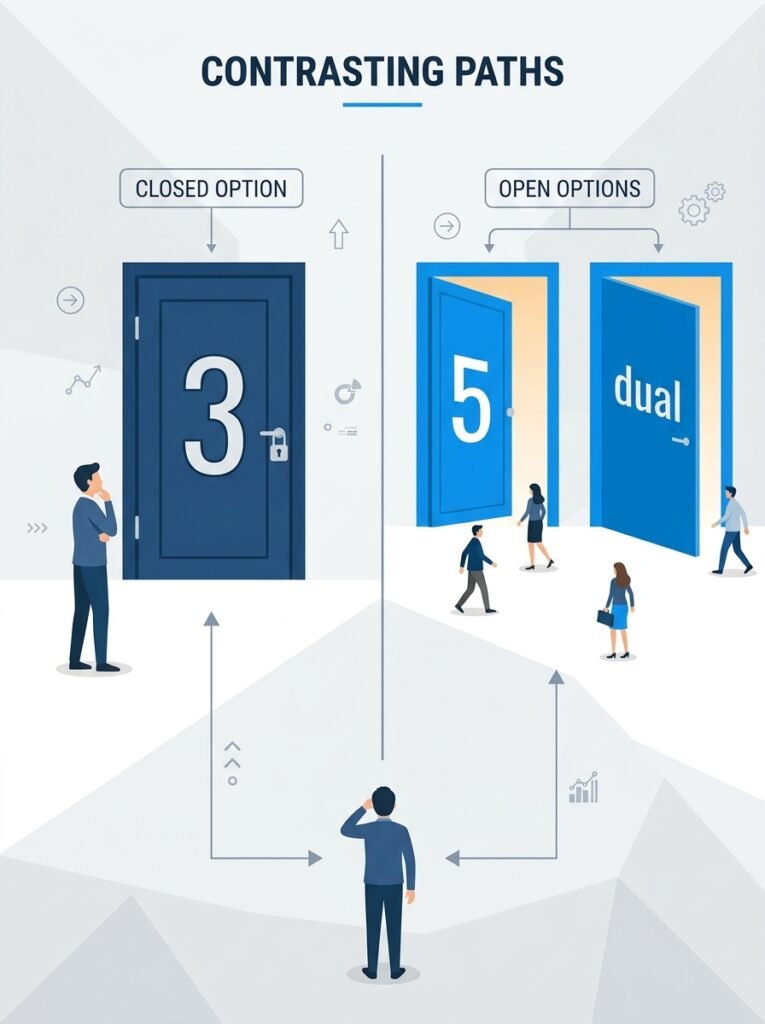
So the correct summary is simple: one door closed, two stayed open.
What’s gone: the 3-year “turbo” route
The abolished pathway let applicants with C1-level German and “special integration achievements” — outstanding professional, academic, or civic contributions — apply after just three years of residence instead of five. It was introduced in 2024 and, in practice, very few people ever used it; estimates put usage in the low hundreds.
That’s why immigration professionals describe the repeal as more of a symbolic policy correction than a practical blow. For the overwhelming majority of applicants, who were always going to naturalize on the five-year timeline, nothing has changed.
What stayed: the 5-year path and dual citizenship
This is the part the alarming headlines skip:
- The five-year standard route remains. Most applicants can still naturalize after five years of lawful residence — still far shorter than the old eight-year rule that existed before 2024.
- Dual citizenship is still allowed under German law. You generally don’t have to give up your original nationality when you naturalize as German. (Important honesty note: check your home country’s rules too — some countries, such as India, don’t permit holding two passports, so this depends on both sides.)
- The three-year route for spouses of German citizens stays. If you’re married to a German national (marriage of at least two years and three years of residence), that faster route is untouched.
- Permanent residence (Niederlassungserlaubnis) was not affected — it’s a separate status from citizenship, and skilled workers can often reach it well before the citizenship mark.
Why the government made the change
Officials framed the repeal around integration rather than restriction. The stated reasons, reported across immigration-law analyses, included the view that genuine integration takes time and shouldn’t be rushed, that a five-year standard aligns with international norms, and that the three-year rule had created an odd legal contradiction — in some cases it was easier to get full citizenship than to get a permanent settlement permit.
The change reflects the shift to a more conservative governing coalition. We’re presenting the reasoning as officials stated it; the point here is what the rules now require, not a political verdict.
Who this actually affects — and who’s panicking for no reason
Affected: the small group who were specifically targeting the three-year mark with C1 German and standout integration credentials. Those people now wait the standard five years.
Not affected (most readers): anyone on the normal path — students, Opportunity Card holders, Blue Card professionals, and skilled workers — who was always going to reach citizenship at five years. Your timeline hasn’t moved. And anyone who applied under the fast-track before the repeal generally has their case processed under the old rules.
The 5-year path: what you actually need in 2026
Living in Germany for five years is necessary but not sufficient. Under the Nationality Act, standard naturalization also requires that you:
- Have five years of lawful, ordinary residence in Germany.
- Prove German language ability at roughly B1 level (CEFR).
- Pass the naturalization test covering German law, history, and society.
- Show financial self-sufficiency — you can support yourself and your dependents without relying on state welfare.
- Maintain a clean criminal record and commit to Germany’s free democratic order.
Time spent in Germany as a student usually counts toward the five years, which is why staying organized with your residence permit and city registration from day one matters so much.
How this fits your work-to-citizenship timeline
For most readers of this site, citizenship is the final step of a longer journey. Here’s how the pieces connect:
- Enter and find qualified work — for example via the Opportunity Card (up to 12 months to job-hunt) or a direct job offer.
- Get a work residence permit or EU Blue Card once you have a qualifying job.
- Build lawful residence — the years on your work permit count toward both permanent residence and citizenship.
- Reach permanent residence (often faster for Blue Card holders with good German) as a secure milestone.
- Apply for citizenship at five years, once you meet the B1, test, financial, and record requirements.
The fast-track repeal only touches step five’s timing for a narrow group. The rest of the ladder is exactly as it was.
One more 2026 detail: the backlog
If you’re worried about processing time, there’s cautiously good news. German authorities have been sitting on a large naturalization backlog — reported at roughly 73,000 cases — and the Interior Ministry has said it aims to clear it by late 2026 or early 2027 through greater digitization. Actual waits still vary a lot by city, so treat any timeline as an estimate and confirm with your local authority.
Key Takeaways
- Germany repealed only the three-year fast-track (effective October 30, 2025) — not the five-year route.
- The five-year standard path and dual citizenship both remain in place.
- A three-year route for spouses of German citizens still exists.
- Requirements at five years: lawful residence, B1 German, naturalization test, financial self-sufficiency, clean record.
- Most work and study migrants are unaffected — the change hit a small group who were chasing the three-year mark.
- Always confirm your case with BAMF / Make-it-in-Germany and your local authority, and check your home country’s dual-nationality rules.
also read: https://www.careers.ilmiupdates.com/poland-work-visa-2026/
FAQ
Did Germany cancel the five-year citizenship route in 2026?
No. Only the three-year fast-track was abolished, effective October 30, 2025. The standard five-year naturalization route remains fully in place — still shorter than the old eight-year rule that applied before the 2024 reform.
Is dual citizenship still allowed in Germany in 2026?
Yes. The right to hold dual citizenship, introduced in the 2024 reform, was kept. Under German law you generally don’t have to renounce your original nationality. However, you should also check whether your home country permits dual citizenship, as some, like India, do not.
Who lost access when the fast-track was repealed?
Only applicants who were aiming for the three-year mark based on C1 German and special integration achievements. Very few people ever used this route. Those who applied before the October 30, 2025 repeal generally have their cases handled under the old rules.