Advertisement

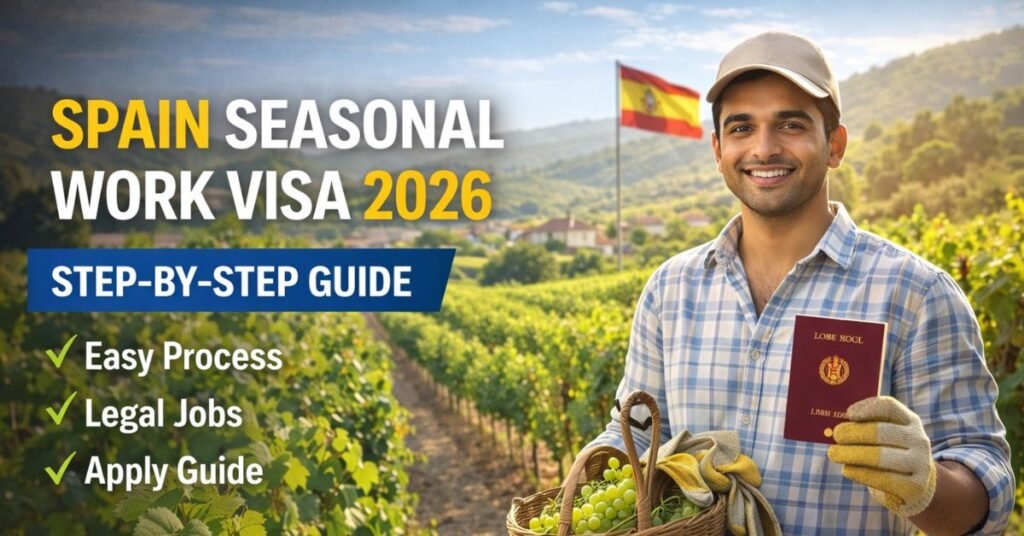
Spain Seasonal Work Visa 2026 – Step-by-Step Apply Guide

Spain Seasonal Work Visa 2026 – Step-by-Step Apply Guide

There are also a lot of individuals seeking a short-term employment opportunity in Europe, and Spain is among the most desirable locations. Nonetheless, it can be disorienting to learn how to legally work in Spain even in a couple of months. Applicants are usually confused on how to start the process with questions concerning visa requirements, eligibility, and application steps, and job opportunities.

Advertisement

The Spain Seasonal Work Visa 2026 provides an organized and legal opportunity to foreign employees to accept temporary work in areas such as agriculture, tourism, and hospitality. These positions are particularly significant at the peak seasons when Spain experiences labor shortages.

Spain Seasonal Work Visa 2026 Overview

  • Spain Seasonal Work Visa is a non-renewable working permit that enables foreign citizens to work in Spain on a temporary basis usually 3-9 months. These visas are provided to seasonal jobs, i.e. jobs that are related to certain times of the year e.g. harvesting of crops or the high season of tourism.
  • In 2026, there is still a dependence of foreign workers to assist in the industries where Spain has a shortage of labor. Before a worker is granted a visa, the employer should provide a job contract, which gives the worker a legal and safe employment contract.
  • It is necessary to mention that this is not a permanent visa and does not necessarily result in permanent residency. Nevertheless, it can be a great experience in working abroad and can serve as a gateway to future opportunities.

Spain Seasonal Work Visa 2026: Key Highlights

  • Temporary work duration (usually 3–9 months)
  • Employer-sponsored job required
  • Legal employment by the Spanish labor laws.
  • Opportunities in agriculture, tourism and hospitality.
  • No guarantee of permanent residency
  • Repatriation on expiry of contract.

The visa is the best to those who wish to have a short working experience in Europe and earn a constant income.

Seasonal jobs offered in Spain

Agriculture and Farming Jobs

The biggest sector that provides seasonal employment is agriculture. It requires workers in:

  • Fruit picking (oranges, strawberries, grapes)
  • Vegetable harvesting
  • Farm maintenance

These are physically demanding jobs that are readily available.

Hospitality and Tourism Jobs

The seasonal labour demand in the tourism industry of Spain is:

  • Hotels
  • Restaurants
  • Resorts

Some of the roles include housekeeping, kitchen assistants and customer service staff.

Warehouse and Logistics Jobs

Logistics companies need more workers during peak seasons:

  • Packing and sorting
  • Inventory management
  • Delivery support

Advantages of Seasonal Employment in Spain

Working seasonally in Spain has a number of benefits:

  • Legal employment and worker protection.
  • Opportunity to gain international work experience
  • Obviously, exposure to European culture and lifestyle.
  • Competitive pay based on job description.
  • Potential of employer-provided housing.

Although the benefits may depend on the employer, the workers are usually covered by Spanish labor laws.

The Spaniards Seasonal Work Visa Eligibility

In order to apply to the Spain Seasonal Work Visa 2026, the applicant should fulfill the following criteria:

Basic Requirements:

  • Valid passport
  • Spanish employer job offer.
  • Signed employment contract
  • Professionals should provide evidence of accommodation (where necessary).
  • Clean criminal record
  • Medical certificate

Employer Responsibilities:

  • Apply to get work authorization.
  • Provide a legal job contract
  • Compliance with labor laws.

On visa approval, these requirements are required.

How to apply for a seasonal work visa in spain

Get a job offer

A good place to begin? Spotting a position through a company in Spain that takes on temporary staff. What matters most shows up right there.

Employer Submits Work Permit Application

A form goes to Spain’s officials through your boss. Your name is on it. Paperwork moves because someone hired you.

Get Work Permit

Approval means access opens for your visa process to move forward.

Apply for visa

Start by heading to the Spanish embassy or consulate where you live. Applications go straight there, nowhere else handles them. Your paperwork gets reviewed once it arrives at their office. Location matters – only submit within your home nation’s borders. They expect everything in order before they start.

Attend interview if needed

Now here’s a twist – interviews might pop up for certain candidates. Documents? Extra ones could be needed too.

Travel to Spain

Once the visa comes through, head to Spain for your temporary work. Starting then, days fill up with new routines far from home.

Documents Checklist

Prepare the following documents:

  • Valid passport
  • Job contract
  • Visa application form
  • Passport-size photos
  • Police clearance certificate
  • Medical certificate
  • Proof of accommodation

Start by checking every paper for correct details. Then look at when each one was last changed. Only keep those showing current info. Toss out anything outdated. Watch for small errors they often hide in plain sight.

Pay and Workplace Environment

Working temporary gigs in Spain? Pay changes based on where you are and what field you’re in.

Average Earnings:

  • Agriculture: €1,000 – €1,400/month
  • Hospitality: €1,100 – €1,600/month
  • Logistics: €1,200 – €1,700/month

Workers are entitled to:

  • Fair wages
  • Regulated working hours
  • Safe working conditions

Always review your contract to understand your rights.

Find Verified Seasonal Work in Spain 2026

  • One of the most important steps in securing a Spain Seasonal Work Visa is finding a legitimate job offer. Since the visa process depends entirely on employer sponsorship, choosing the right source is critical. Many applicants face issues because they rely on unverified agents or misleading advertisements.
  • The safest approach is to apply through official and trusted platforms. These include government employment portals, recognized international job boards, and direct company career pages. Employers who are authorized to hire foreign workers will clearly mention visa procedures and legal requirements in their job postings.
  • You should also look for seasonal recruitment programs that operate in partnership with Spanish authorities. These programs often focus on agriculture and provide structured hiring processes for international workers.

Stay Alert During Job Hunting:

  • Avoid paying upfront fees for job placement
  • Verify employer details and company registration
  • Check if the job includes a formal contract
  • Ensure the employer applies for your work permit

Fraud stays less likely when steps like these are followed, while the application moves without trouble.

Seasonal Job Contracts Explained Spain

Starting off, knowing your work agreement matters before chasing a visa. In Spain, temporary jobs come with paperwork that spells out duties, pay, time on duty, how long you stay hired – this isn’t just formality, it holds weight by law.

Some temporary jobs run three months; others stretch close to nine, shaped entirely by what kind of work it is. Harvest times decide how long farm positions stick around, whereas vacation spots see staffing shifts when travelers show up most. A job tied to crops might vanish after picking ends, just like resort gigs fade when flights slow down.

The contract should clearly state:

  • Job responsibilities
  • Salary and payment schedule
  • Working hours and overtime conditions
  • Stay info – when shared
  • Duration of employment

Under Spain’s job rules, workers get safeguards so bosses play by the rules. Check every line of your agreement first – before putting pen on paper. Match each point to what they told you when bringing you onboard.

Work Hours and Everyday Tasks

Few start early, though many finish late when crowds swell. Rhythms shift with harvests, holidays, or tourist waves – never quite steady. Some days stretch longer once demand spikes. Each job sets its own pace, yet time folds similarly across fields, shops, and service spots. Hours stack between sunrise and streetlights.

Early sunrises often pull farm hands into fields when summer heat looms. Harvesting crops comes first, followed by careful sorting, then sealing them into crates. Hotel desks see fresh faces at dawn, while dinner crews roll in later as daylight fades.

Even with heavy tasks, Spain’s job rules make sure employees get:

  • Rest breaks during shifts
  • Weekly days off
  • Extra pay for overtime work, when it applies

At first, getting used to the daily grind can feel slow. Still, staying focused while showing up the same way each day makes a difference over time. Slow progress often leads to stronger trust from your boss.

Where People Stay and Live

A place to stay matters a lot when you work seasonally. In farming or far-off regions, bosses often include rooms or shelters right in the deal. Because of that, daily costs drop fast, leaving more room for budget control.

Lodging comes furnished with essentials – expect to split space with colleagues. A place to sleep, maybe a sink, perhaps storage too. Not fancy, just enough under one roof together. Roommates likely, comforts minimal. Shared walls common, private areas rare. Expect simplicity, nothing more

  • Beds and storage space
  • Kitchen access
  • Bathroom facilities

When lodging isn’t provided, people on the job sort out where to stay themselves. Often, they end up splitting rent in group flats – especially near busy urban spots or places packed with visitors.

Got a job offer? Find out first if housing comes with it, also check if they’ll take money from your pay for it. Clear talks now mean fewer problems down the road.

Taxes and Legal Responsibilities

Not sticking around forever? You still might owe taxes if you earn enough during your time there. Just because work ends doesn’t mean tax duties vanish – Spain counts what you make. Length of stay shapes the bill, especially when pay adds up. Earning a wage under Spanish law pulls you into their system. Short gigs can still trigger paperwork if cash crosses certain lines.

Funds come out of paychecks – taxes, social security – managed by employers. When those payments go through, things like medical care might be available while you’re here.

It is advisable to:

  • Keep records of your salary and deductions
  • Understand your tax obligations
  • Follow all legal requirements

Following these guidelines helps things run without trouble on the job. Rules followed mean fewer problems during daily tasks.

Seasonal Work Leading to Long Term Jobs?

  • Even though the Spain Seasonal Work Visa lasts only a short time, it might open doors later on. When workers do solid jobs and connect well with their bosses, they often get asked back when the next season rolls around.
  • Should an employer want to keep you around long term, they might extend the contract or help sort out another kind of work permit. That outcome though? It rides on rules about who can enter the country plus what the company actually needs.

A path forward might begin here. Temporary jobs during certain times of year open doors. One chance leads to another, sometimes without warning. Stepping into short-term roles can reveal new directions. These positions often become gateways by accident. A starting point appears where you least expect it

  • Gaining international experience
  • Building professional networks
  • Improving language skills
  • Exploring future career paths in Europe

Though staying forever isn’t certain, what you learn might still help how you work later. What sticks could shape where you go next.

Language and Culture Shifts

Life in Spain shifts once you start noticing small habits around you. Not every job insists on perfect Spanish, yet knowing a few phrases helps smooth daily moments. Work matters, sure, but so does catching how people greet each other at markets. Simple words open doors that documents alone cannot. The rhythm of conversation often reveals more than rules ever do.

  • Learning Basic Spanish Opens Doors
  • Easier communication with employers and colleagues
  • Better understanding of workplace instructions
  • Improved social interactions

Warm smiles meet you everywhere across Spain, where life moves at a gentle pace. Getting involved with local customs often leads to moments worth remembering. A slower rhythm shapes daily routines here, opening doors to real connections. Experiencing things like locals do tends to reveal hidden corners of joy.

Expert Advice for Better Selection Odds

Start by checking job boards early, since timing often makes the difference. Look into companies that hired seasonally last year – patterns tend to repeat. Connect with past workers through forums or social groups; real talk reveals what websites won’t show. Adjust your messages depending on who reads them – a fixed script rarely fits every boss. Show up consistently, even when nothing new appears online; presence sometimes opens doors before postings go live

Start when companies hire most – those first few months after winter ends. Try timing it so your move lines up with that rush. Busy periods often mean more chances opening up suddenly. Aim for a beginning just as things heat up across industries:

  • European style cv europass format
  • Highlight physical fitness and adaptability
  • Show willingness to work flexible hours
  • Prepare for interviews with basic Spanish phrases

Showing up on time matters more than people think. Workers who stick around when things get tough earn trust slowly. Learning quickly without needing constant help makes a difference too. Anyone can stand out by doing what others skip. Being steady beats being flashy every single day.

Realistic Expectations for Applicants

Seasonal jobs might sound good until you face early shifts. Picture standing outside in cold weather handing out flyers at dawn. Some days feel long when pay doesn’t match hours. Yet others enjoy meeting people every week. Not every role fits all personalities either. The rush during holidays could lift your mood one day then drain it the next.

  • Work can be physically demanding
  • Weather conditions may vary
  • Jobs may require long hours during peak periods
  • Accommodation may be shared

Mental readiness makes it simpler to adjust, opening doors to what comes next. Then again, being ready inside your mind lets moments stretch further than expected.

Cost of Living in Spain

Where you live changes how much things cost

  • Small towns: €600 – €900/month
  • Cities: €800 – €1,500/month

Sleeping where work happens often means fewer bills. Housing handed out by a boss cuts costs fast.

Tips For Getting Selected

  • Apply early for seasonal jobs
  • Use a professional CV
  • Learn basic Spanish
  • Apply through verified sources
  • Follow employer instructions carefully

Showing up matters just as much as getting ready ahead of time.

Common mistakes you might make

  • Applying without a job offer
  • Using unverified agents
  • Submitting incomplete documents
  • Ignoring visa rules
  • Expecting guaranteed approval

Mistakes like these? They slip less when you steer clear. Your odds get better without them hanging around.

FAQs

  1. Maybe you can sign up even if no company has hired you yet?

    A job lined up comes first – visa applications follow after that.

  2. Spanish Language Requirement?

    Sometimes it’s needed, yet knowing the basics can make things easier.

  3. Extending a Seasonal Visa Is Possible Under Certain Conditions?

    Extensions depend on employer needs and visa conditions.

  4. Switching Jobs in Spain?

    Most of the time it’s not possible because the work permit links directly to one company.

  5. Is accommodation provided?

    Few workplaces offer housing – though not every one does. Sometimes you get a room, sometimes nothing at all.

Final Thoughts

Working in Spain temporarily could be possible through a seasonal visa opening in 2026. This chance suits people wanting jobs abroad without long-term commitments. Since rules are laid out plainly, figuring things out feels less confusing. Job types range widely, so matching work to skills happens more naturally. Legal rights stay protected under Spanish labor standards. Because of this setup, moving across borders for work becomes smoother than expected.

Pulling it off takes planning, staying alert, knowing what choices matter. When trusted listings guide you, when worker protections are clear in your mind, and rules set by authorities shape each step, confidence grows through the journey.

Start here if you want change without promises. A steady mind turns chances into progress, so treat it like practice. This move might shape who you are – slowly, quietly, just by showing up.

Leave a Comment